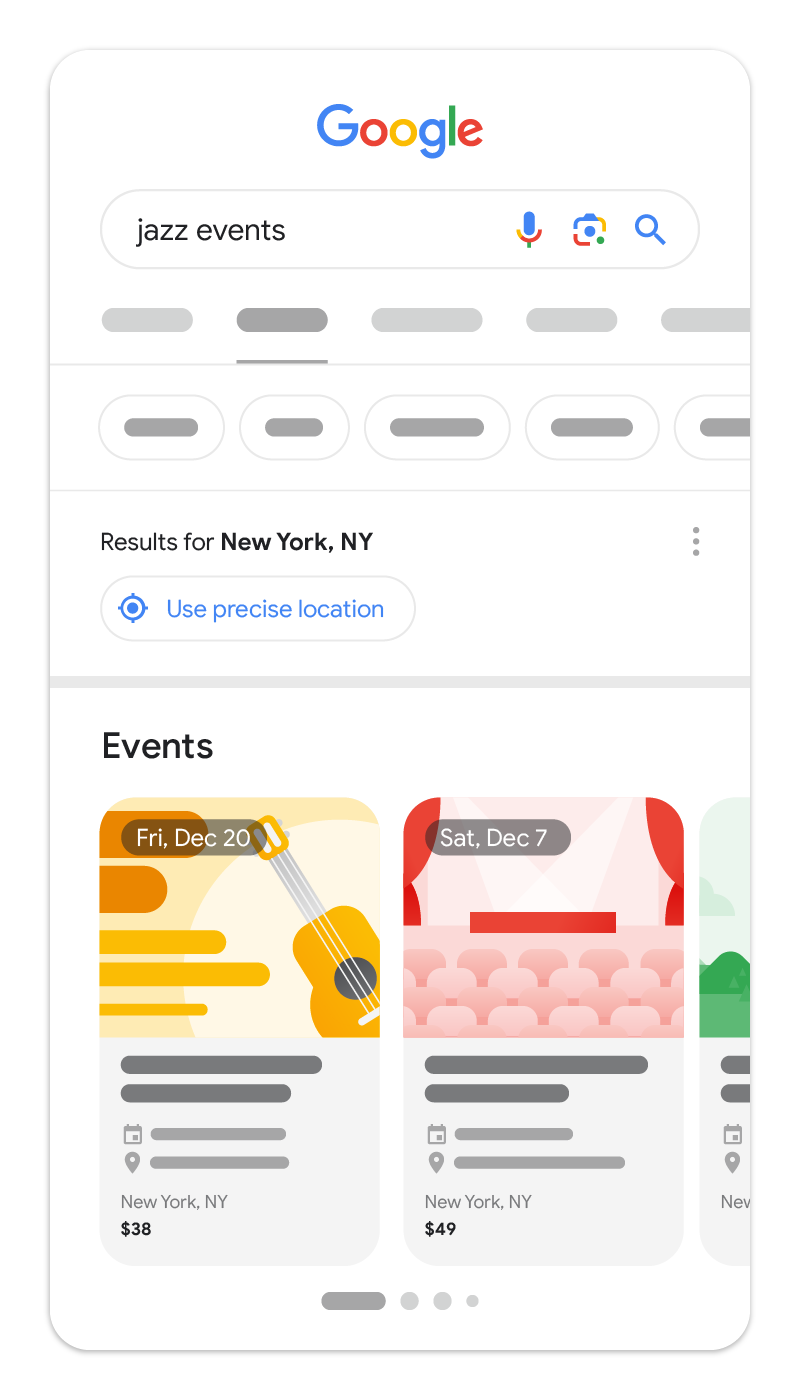
A general web search is useful when you know only part of a program’s title, an actor’s name, or a broad period when it aired. It becomes less dependable when the question requires an exact date, time, channel, station, or regional edition. Search engines organize indexed web pages; they do not function as complete television-history databases. A contemporary newspaper listing, regional TV guide, or broadcaster schedule can provide evidence that is closer to the original broadcast period. These records still need to be interpreted carefully because published schedules sometimes changed before transmission.
Why Are You Searching in Vain on Google and AI for Historic TV Broadcast Schedules?
Modern search tools can lead researchers to useful archives, but they have clear limitations when the underlying records are incomplete, inaccessible, or poorly indexed.
Google’s Algorithm Does Not Rank Results by Historical Authority Alone
The original claim that Google primarily favors advertisements, traffic volume, and commercially valuable pages is inaccurate. Google states that organic ranking is generated programmatically through multiple systems and signals, and paying for advertising does not improve a page’s organic position.
The practical problem is different. A search result may identify pages that match the title or keywords without determining which page is the strongest historical record. A current streaming page, fan article, shopping result, episode guide, and scanned newspaper may all refer to the same program for different reasons.
Older listings can also be difficult to retrieve because of OCR errors, alternate titles, regional spelling, changed station call signs, or incomplete metadata. Search engines do not guarantee that every available page will be crawled, indexed, or shown.
AI Search Tools Can Produce Plausible but Incorrect Details
Generative AI can help create search terms, recognize title variations, and organize information that has already been found. It should not be treated as the original source for an obscure air date. NIST describes “confabulation,” commonly called hallucination, as confidently presented output that is erroneous or false. This can include invented historical or biographical information. An AI answer may also combine several legitimate facts incorrectly. It might confuse a production date with an air date, a network premiere with a local rerun, or an episode title with a syndicated title. Any exact broadcast claim should therefore be checked against a dated source.
Some Broadcast Records Are Not Available to General Search Crawlers
Part of television history remains in print newspapers, microfilm, library databases, internal station records, or collections that have not been digitized. Other databases require a library subscription or login.
Content behind authentication may be inaccessible to crawlers, while publishers can prevent pages from appearing in search results through technical controls. Google also notes that password protection prevents its crawlers from accessing a page. This does not make such collections part of a mysterious or inherently inaccessible “deep web.” It simply means that a normal search result may not contain the full record.
When Is a Broadcast Schedule Guide More Reliable Than a Search Engine?
A schedule guide is most useful when the question concerns what was advertised for a particular date, market, channel, or time slot. It may show that a program was scheduled in color, identify its planned duration, distinguish a repeat from a new episode, or reveal which local station carried it. However, a printed listing is usually evidence of the planned schedule, not an unconditional record of what viewers actually saw. Breaking news, sports overruns, technical faults, preemptions, and last-minute substitutions could change the broadcast.
The BBC Programme Index illustrates this distinction. Its historical schedule data was drawn from Radio Times listings covering 1923–2009. Those listings are valuable contemporary records, but published schedules did not always capture later changes or cancellations. Regional records matter in countries where local stations could preempt or reschedule network programming. A national prime-time grid may show what a network offered, while a newspaper or TV Guide edition for the viewer’s market may show what the local affiliate planned to carry.
Schedule research can also help users avoid unsafe searches for unauthorized copies. Once the correct title, episode, station, and date are established, the user can search legitimate broadcaster archives, libraries, rights-holder catalogs, and preservation collections. A historical listing does not prove that a recording survives or that it is legally available online.
Guide to Finding Historic Broadcast Schedules Using Specialized Archives
Use the following process rather than relying on a single website:
[Step 1: Search Library Newspaper Databases]
│
▼
[Step 2: Locate Scanned Regional Schedule Guides]
│
▼
[Step 3: Contact Broadcasters or Archival Institutions]
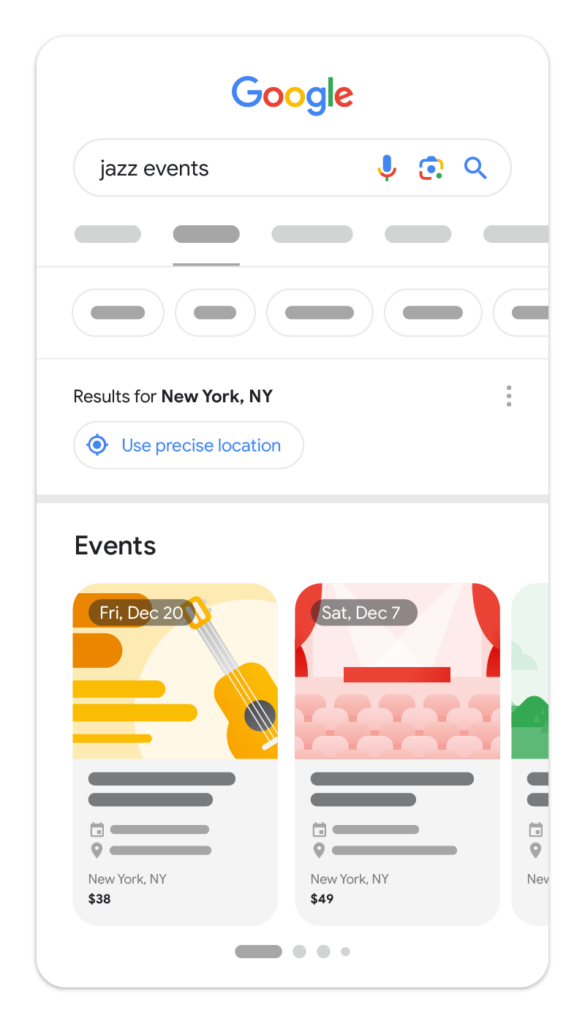
Search ProQuest Through a Public or University Library
ProQuest Historical Newspapers is a subscription collection available through participating institutions. Its global product contains more than 200 newspaper titles from the United States, Canada, and other regions, presented in their original printed form. It is not a complete archive of every newspaper in the world.
Search by date and location before searching by program title. Historical OCR may misread short titles, station call signs, or small schedule-grid text.
Useful searches include:
television listings + city + exact date
station call sign + program title
TV schedule + newspaper name + month and year
Open the full scanned page whenever possible. A text result without its page layout may separate a title from the wrong time or channel.
Use Internet Archive and Other Scanned Magazine Collections
Internet Archive contains individual TV Guide issues and user-created collections, but coverage is uneven by year and regional edition. One available collection, for example, contains Northern California issues covering five years from 1965 to 1970. Other separately uploaded issues cover different dates and markets.
Search for the location as well as the year:
TV Guide 1977 Los Angeles
TV Guide 1985 New York
television listings Philadelphia 1991
Do not assume that a search for “TV Guide 1980” returns the edition for the required city. North American editions could contain different station lineups and local schedules.
For BBC programs, the BBC Programme Index is generally more useful than an unrelated TV Guide scan because its historical listings derive from Radio Times.
Contact Local Broadcasters or Relevant Archives
Contacting a broadcaster can help when the program was locally produced, preempted, or absent from national guides. Include the approximate date, station, market, host, possible title variations, and the reason for the inquiry. Do not assume every station still has complete logs or staff available for private research requests. Ownership changes, disposal policies, and incomplete preservation may have created gaps.
University collections, state libraries, historical societies, and broadcast museums may hold records even when the current station does not. The American Archive of Public Broadcasting, for example, brings together records and digitized material contributed by more than 200 public media stations and archives. Its holdings are substantial but focus on public broadcasting rather than every commercial schedule.
Verified Scope of Specialized Schedule Platforms
Community-maintained schedule databases are useful starting points, but they should not automatically be treated as primary evidence. Their current documented scopes are:
| Archive Platform Name | Data Scope & Archival Timeframe | Key Features & Research Value |
|---|---|---|
| epguides.com | More than 12,800 episode lists, with its chronological menu beginning in 1946; U.S. fall prime-time schedule grids are also available for modern seasons, including archived grids from at least 2002 | Useful for episode titles, listed air dates, and planned U.S. network grids. It is not a complete local-station schedule archive. |
| Daytime TV Schedule Archive | U.S. network daytime grids beginning in 1947 and continuing through sections labeled “2010–Present” | Focuses on daytime network changes. Its FAQ says the project draws from TV Guide editions, newspapers, trade publications, and reference books, and accepts corrections after checking other sources. |
| classic-tv.com | Its current schedule index links U.S. prime-time season grids from 1950–1951 through 2007–2008 | Helpful for broad seasonal network lineups, but it does not provide date-by-date local schedules and should be cross-checked with contemporary records. |
| tvtango.com | Date-based television listings described by the site as covering dates since 1950 | Useful for searching past and present listings by date. Because it is a secondary online database, important findings should be confirmed with a newspaper scan, regional guide, or broadcaster record. |
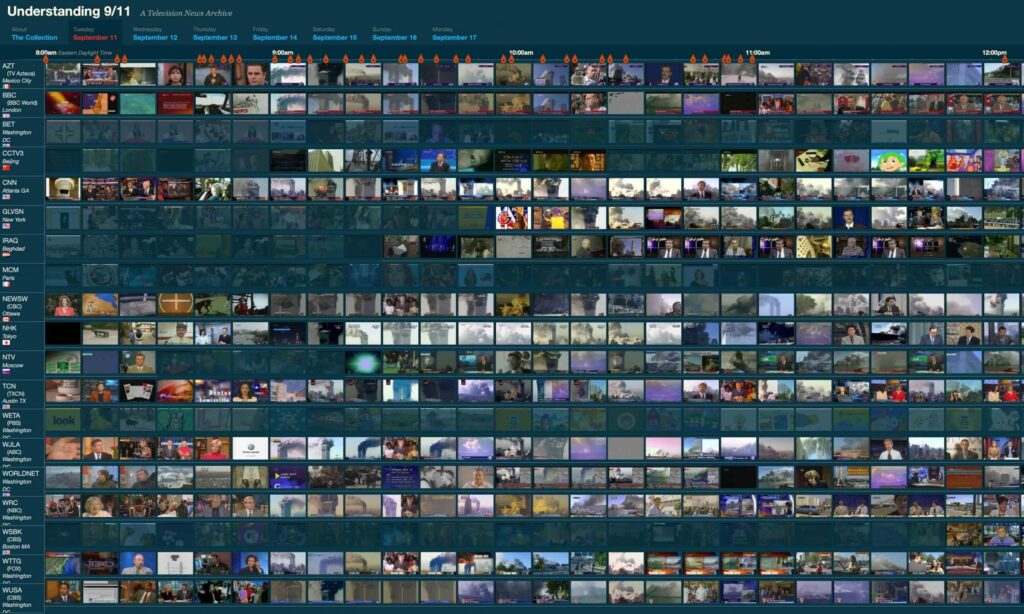
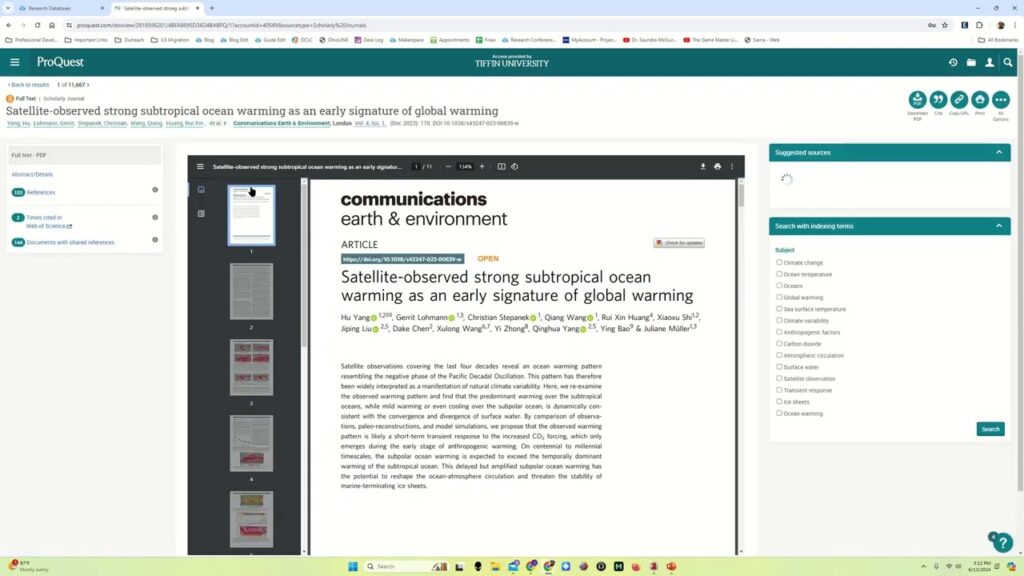
A broadcast schedule guide becomes more reliable than a general search result when the question requires a specific date, channel, time, market, or regional variation. It is especially valuable when the guide is a contemporary newspaper page or regional edition produced near the date being researched. It is not automatically proof of the broadcast that occurred. Schedule changes, preemptions, OCR errors, incorrect metadata, and missing editions remain possible.
Use AI and Google: To identify title variants, actors, stations, approximate dates, newspaper names, and likely archive collections. Cross-Reference Direct Historical Archives: Confirm the result with a dated schedule page, regional guide, broadcaster record, or multiple independent sources. Record the publication, edition, page, market, date, and whether the source shows a planned schedule or an actual transmission log. This method does not guarantee 100% certainty in every case, but it produces a traceable conclusion supported by evidence rather than an uncited search snippet or generated answer.