
When a military conflict, diplomatic summit, natural disaster, or economic crisis occurs, different news organizations may emphasize different parts of the same event. One report leads with casualty figures, another opens with a leader’s statement, while a third focuses on the consequences for markets or local communities.
These differences do not automatically prove that one outlet is distorting the event. News organizations work with different deadlines, formats, source networks, audiences, editorial priorities, and legal requirements. They may also receive new information at different times.
The categories are not as separate as they once were. Reuters and the Associated Press publish text, video, photographs, graphics, and analysis directly to the public as well as supplying professional clients. Television networks publish long written articles, while newspapers operate live blogs, podcasts, and video channels. The distinction is therefore based on their main production traditions, not a fixed rule that determines every story.

Core Reasons Why News Organizations Cover the Same Event Differently
The variation usually comes from several structural factors rather than one journalist’s personal opinion.
Speed vs. Depth Pressures: News agencies are built to update developing events quickly because other newsrooms and professional users depend on their reporting. An initial alert may contain only a confirmed fact, followed by fuller versions as reporters obtain reactions and context.
Broadcasters also work in real time during breaking news. A live television report may be produced before complete documents or verified casualty figures are available. Newspapers and digital publications can publish quickly as well, but they often assign additional reporters to explain background, policy consequences, or competing interpretations.
Speed does not belong exclusively to agencies, and depth does not belong exclusively to newspapers. Reuters and AP both produce investigations and analysis, while broadcasters regularly create documentaries and long-form interviews.
Medium Constraints: Television needs usable footage, audio, presenters, maps, and interviews. A dramatic image may become central to a broadcast because viewers need to see what is happening, but visual material must still be verified and placed in context.
Text reporting can describe events for which no reliable footage exists and can compare several documents in detail. Audio reporting can use ambient sound and extended interviews without depending on images. The medium affects presentation, but it does not determine whether reporting is accurate or emotional.
Target Audience and Risk Tolerance Thresholds: Outlets may serve international publishers, financial professionals, a domestic television audience, local communities, or subscribers with specialized interests. This affects which consequences receive the most space.
Verification standards should not simply be lower for one format. Reuters states that accuracy comes before speed and that journalists should cross-check information wherever possible. AP similarly requires fact-based reporting and restricts the circumstances in which anonymous sources may be used.
Comparison Matrix: News Agencies vs. Broadcasters vs. Newspapers
The following table describes common tendencies rather than universal rules.
| Evaluation Criteria | News Agencies (Wire Services) | Broadcasters (TV Networks) | Newspapers (Print / Digital) |
|---|---|---|---|
| Representative Outlets | Reuters, Associated Press, AFP | BBC, CNN, Al Jazeera, NHK | The New York Times, The Guardian, Le Monde |
| Operational Model | Supplies licensed content to professional clients and may also publish directly to consumers | Distributes scheduled, live, and on-demand content through television, websites, apps, and social platforms | Publishes directly to readers through print and digital products while sometimes licensing or syndicating content |
| Primary Formats | Alerts, articles, photographs, video, graphics, data, live updates, and analysis | Live video, recorded packages, interviews, audio, text articles, explainers, and documentaries | Breaking news, live blogs, analysis, investigations, opinion, graphics, podcasts, and video |
| Primary Goal | Deliver timely, verified, reusable reporting across markets and formats | Explain events through live or recorded audiovisual reporting | Report events while providing context, investigation, commentary, or specialist coverage |
| Editorial Standards | Agency rules commonly stress accuracy, independence, balance, and freedom from bias | Determined by newsroom standards and, in some countries, broadcast regulation | Determined by editorial standards, ownership structure, applicable law, and separation between news and opinion |
| Main Limitation | Early reports may have limited context because events are still developing | Available footage can narrow attention to what cameras captured | Longer reporting can still reflect incomplete evidence, editorial selection, or a particular analytical frame |
Reuters’ standards require journalists to take no side and seek information from all sides of a dispute. AP says its journalists must avoid inaccuracies, carelessness, bias, and distortion. AFP’s editorial charter similarly calls for accurate, balanced, impartial reporting and corrections when errors occur. These are professional objectives, not proof that any organization is incapable of making a mistake.
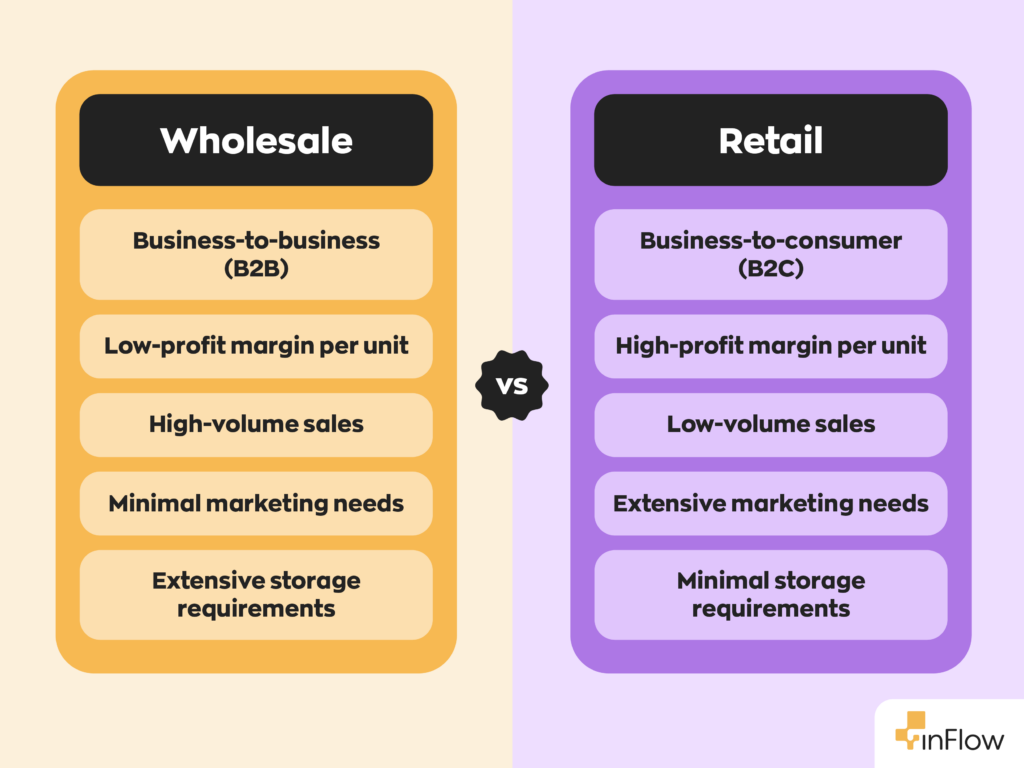
Differences in Operational Models: “Wholesale” News vs. “Retail” News
The wholesale and retail comparison is useful, but modern news companies frequently operate in both markets.
News Agencies – The “Wholesale” News Model (B2B)
Reuters, AP, and AFP provide reporting that newspapers, websites, broadcasters, institutions, and other professional clients can license or integrate into their own products.
This model encourages stories that can be used by clients with different audiences and political positions. Agency reports commonly identify where information came from, distinguish confirmed facts from claims, and seek responses from the parties involved.
However, agencies do not provide only “raw news.” They make editorial choices about newsworthiness, headlines, terminology, sources, photographs, and the order in which information appears. They also produce investigations, analysis, live video, graphics, and fully written articles.
They are not exclusively B2B either. Reuters says it distributes news to professionals, media organizations, and consumers. AP maintains a public news service while also selling text, photographs, video, data, and production services to organizations.
Mandatory Neutrality Requirement: Agency standards generally demand impartial, independent, and fact-based reporting, but not because every client would immediately protest over a subjective adjective. These requirements come from formal editorial principles, institutional reputation, legal exposure, and the need to serve diverse users.
Inverted Pyramid Structure: Breaking reports often place the most important verified development near the beginning, followed by attribution, background, and supporting details. This lets readers understand the main event quickly and allows the report to be updated as more facts emerge.
Not every agency article follows the same structure. Features, investigations, timelines, fact checks, and analysis pieces may use different openings and narrative forms.
Broadcasters & Newspapers – The “Retail” News Model (B2C)
Broadcasters and newspapers usually present completed editorial products directly to audiences, but their business models differ. They may rely on advertising, subscriptions, public funding, license fees, donations, sponsorship, syndication, or a mixture of these sources.
Audience Retention Pressure: Commercial pressure can affect headline style, story selection, and presentation, but it does not mean retail media must use dramatic framing or unsupported generalizations. Public-service and regulated broadcasters may have explicit obligations regarding accuracy and impartiality.
For example, the UK broadcasting regulator requires news on licensed services to be reported with due accuracy and presented with due impartiality. The BBC’s editorial guidelines also commit its output to due accuracy, impartiality, and avoiding material that knowingly misleads audiences.
Newspapers can develop distinct editorial identities through topic selection, investigations, columnists, and opinion pages. That identity should not be confused with every news article expressing the publication’s institutional opinion. News reporting, analysis, editorials, reviews, and personal columns have different purposes and should be assessed separately.
Geopolitical, Linguistic, and Cultural Factors Shaping News Reports
National Interest and Geopolitics
A news organization does not inevitably repeat the strategic position of its home government. Independent outlets frequently investigate or criticize their own authorities.
Coverage can still be influenced by location. A newsroom may have better sources in its home country, greater knowledge of domestic politics, and an audience more interested in local consequences. Ownership, regulation, access restrictions, journalist safety, censorship, and dependence on official briefings can also shape reporting.
An event involving an international trade dispute may lead a Korean outlet with Korean businesses, an American outlet with US consumers, and a European publication with EU regulators. All three can be factually correct while emphasizing different consequences.
The Weight of Language (Linguistic Framing)
Words such as “militant,” “rebel,” “separatist,” “terrorist,” “resistance fighter,” “government,” and “regime” carry different legal and emotional implications.
Responsible newsrooms often adopt style rules for disputed terminology. They may attribute a contested label to the person or institution using it rather than presenting the label as an undisputed fact.
Translation adds another layer. A leader’s statement may contain a phrase with no exact equivalent in English. One outlet may translate it literally, while another chooses language that sounds more natural. Readers should compare the original statement or an official transcript when a particular word appears politically significant.
Cultural Proximity
News organizations usually give more attention to events that directly affect their audiences. A broadcaster may lead with citizens from its country who are trapped in a conflict zone, while another outlet focuses on energy prices, migration, or regional security.
This is better described as audience relevance than automatic national bias. The important question is whether the report omits essential facts or merely organizes accurate information around a different audience concern.
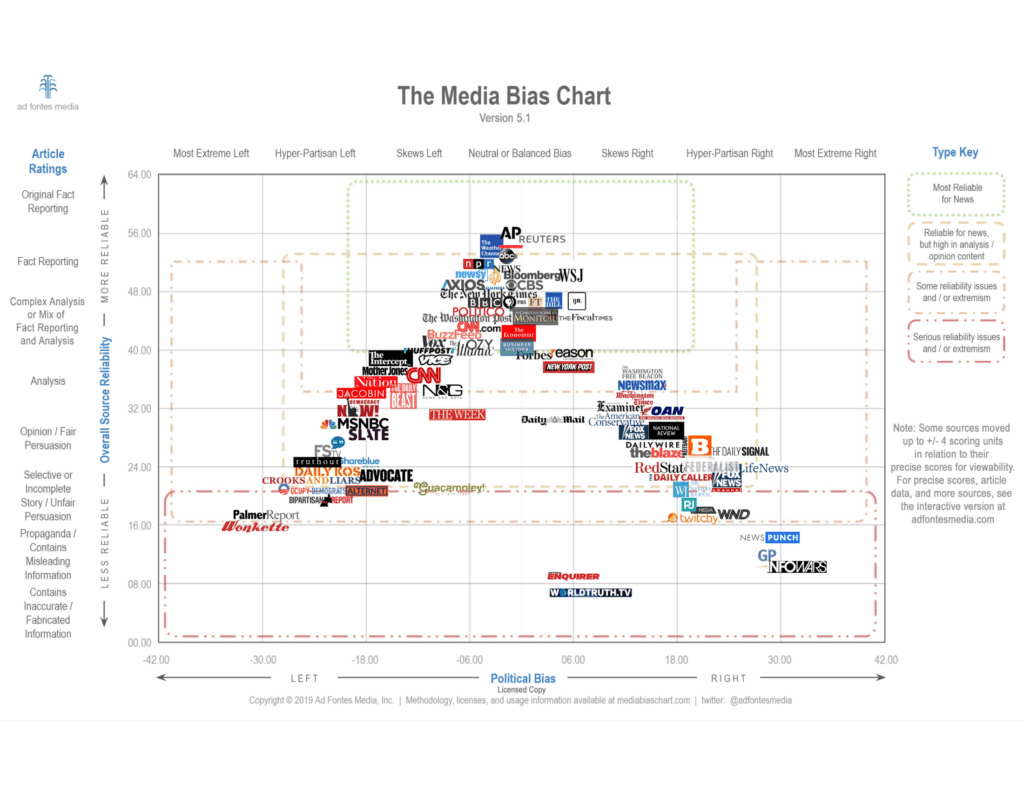
Cross-Border News Reading Tips to Identify Facts and Avoid Manipulation
Start with News Agencies for Early Confirmed Developments: Reuters, AP, and AFP are useful starting points because they publish frequent updates and disclose their editorial standards. Do not treat an early agency report as a complete or perfectly neutral record. Check its timestamp and return for later updates.
Compare Regional Lenses: Read outlets based in more than one affected region. Note which facts appear across all reports and which details are unique to one newsroom.
Check Primary Evidence: Open the official speech, court document, treaty, statistical release, satellite image, or video cited in the report when it is available. A direct document does not interpret itself, but it helps readers determine whether a quote or number was presented accurately.
Analyze Source Attribution: “An unnamed official” is not automatically unreliable, and a public video is not automatically trustworthy. Consider whether the source has direct knowledge, whether the information is corroborated, and whether the outlet explains the reason for anonymity.
Reuters says named sources should be used wherever possible and that information from anonymous sources should be cross-checked. AP allows anonymous information only when it is vital, unavailable on the record, and supplied by a reliable source with direct knowledge.
Separate News from Opinion/Commentary: Look for labels such as News, Analysis, Opinion, Editorial, Commentary, Review, or Explainer. Analysis may contain interpretation supported by reporting, while an opinion article argues a position. The labels and definitions vary among outlets, so read the author information and article description.
Review Corrections and Updates: Breaking reports can change when new evidence appears. A responsible correction is not proof that the entire organization is unreliable; it shows that the original report required revision. Compare publication times before accusing two reports of contradicting one another.
News agencies, broadcasters, and newspapers can cover the same international event differently without reporting three entirely different realities. The variation often comes from deadlines, formats, audience relevance, available sources, and editorial purpose. Turn to News Agencies when you need rapid updates, clear attribution, and a starting timeline. Verify later developments because early reports may remain incomplete.
Turn to Broadcasters when live footage, interviews, sound, and events unfolding in real time add useful evidence. Remember that cameras show only part of what happened. Turn to In-Depth Newspapers when you need historical background, policy consequences, investigations, and competing interpretations. Keep news reports separate from editorials and columns.
The most reliable understanding comes from comparing several credible reports, checking primary evidence, and asking why each outlet selected its particular facts and sources. The goal is not to find one publication with no perspective, but to distinguish verified information from interpretation, omission, uncertainty, and unsupported claims.